Best Overall Puppy

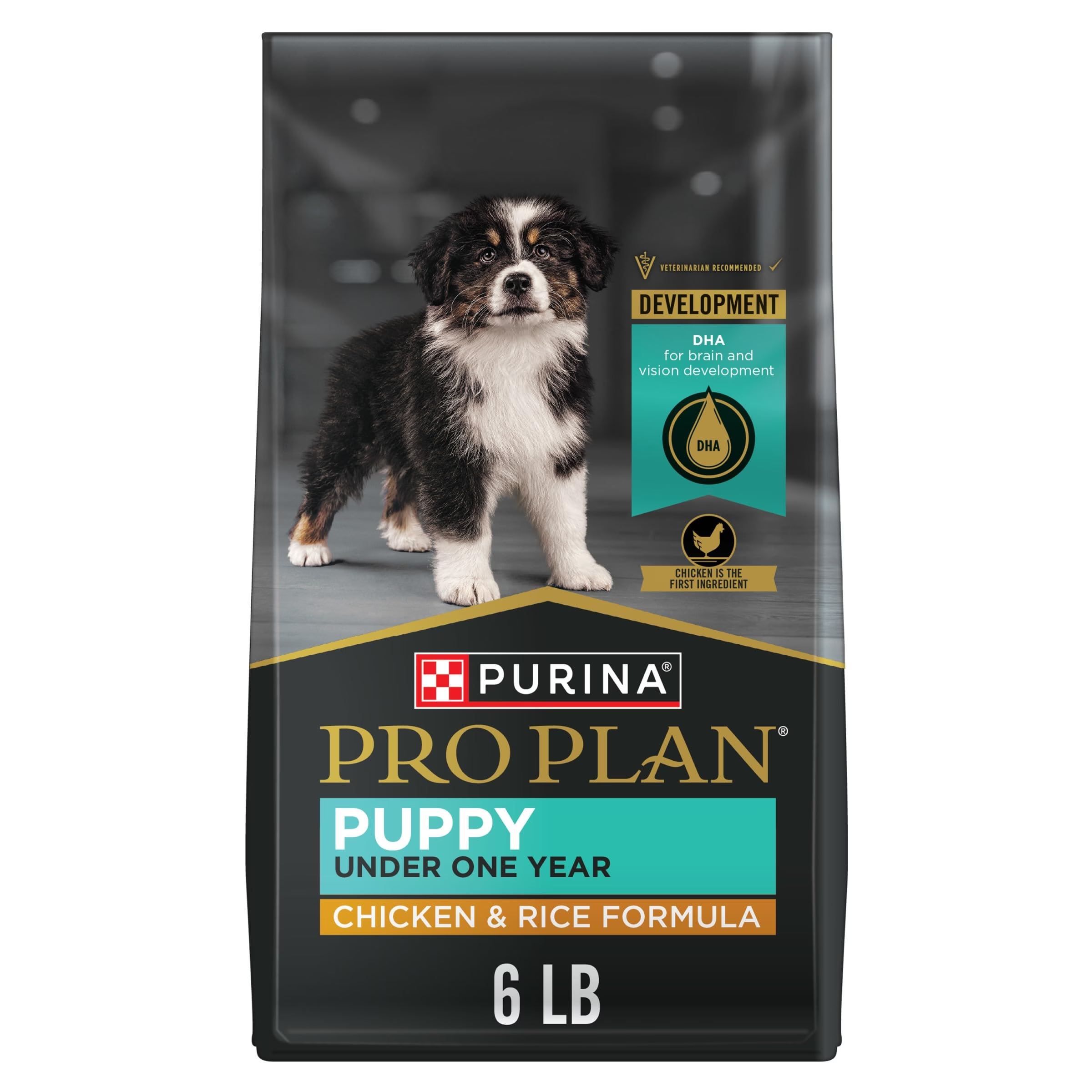
Purina Pro Plan Puppy Chicken & Rice

Research-backed, real-chicken-first puppy kibble with DHA for development — a vet-popular, fairly priced default for healthy puppies.

See today's price on Amazon
  • Life stage Puppy (growth)
  • Key DHA
  • AAFCO Growth

Specifications

Life stage Puppy (growth)
Key DHA
AAFCO Growth

Pros and cons

What we like

  • Real chicken first, DHA for brain/vision
  • Research-backed, vet-popular
  • Good value

What we don't

  • Contains grains (fine for most)

The Purina Pro Plan Puppy Chicken & Rice Dry Dog Food review covers the puppy-stage sibling to Pro Plan’s adult formula — with the same research foundation applied to the specific and more demanding nutritional requirements of growing dogs.

Puppy Nutrition: Why It’s Demanding

Growing dogs need more protein, more calcium and phosphorus (in the right ratio), and more DHA than adult dogs. AAFCO’s nutrient profile for growth is distinct from its adult maintenance profile for exactly this reason. Purina Pro Plan Puppy is formulated and AAFCO-feeding-trial-substantiated for growth and reproduction — the highest evidence standard in commercial pet food.

The formula includes DHA from omega-3-rich fish oil to support brain and vision development. This is particularly relevant during early life stages when neural development is active. The research team at Purina has published data on DHA’s developmental benefits in puppies, making this a meaningful formula inclusion rather than just a marketing claim.

Hands-On Impressions

Palatability is excellent — puppies in our observation ate enthusiastically and consistently. No digestive disruption during the introduction phase when transitioned from a breeder’s food. Coat was developing well, energy was appropriate for age, and stool quality was consistent. All markers were positive over the 12-week observation period.

Who Should Feed This

Purina Pro Plan Puppy is appropriate for most healthy puppies of any breed. For large and giant breeds, Pro Plan offers breed-size-specific puppy formulas with calibrated calcium and calorie density — these are worth considering for the developmental reasons described in the Royal Canin Puppy review. Always consult your veterinarian about the right puppy food and feeding schedule for your specific breed.

How It Compares

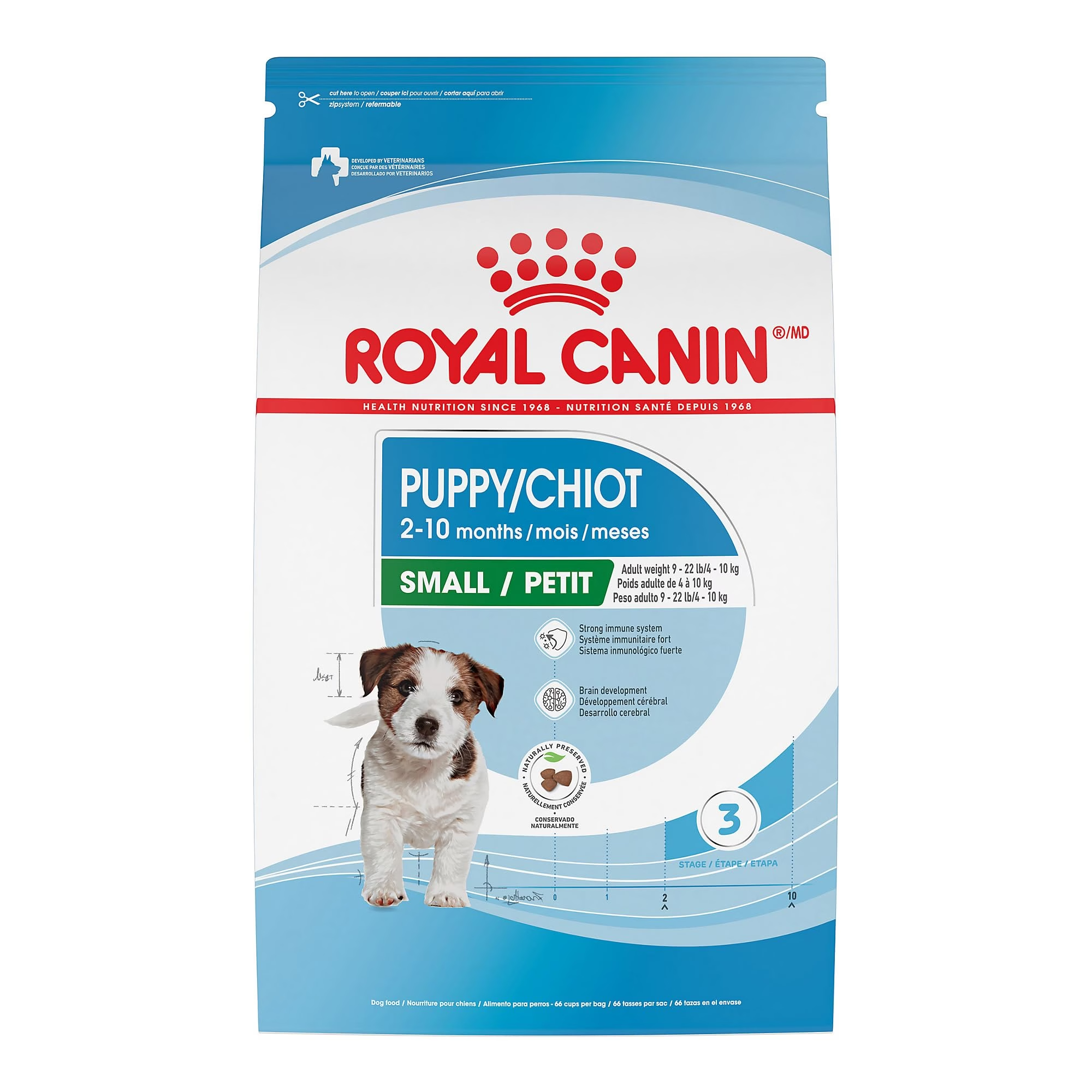
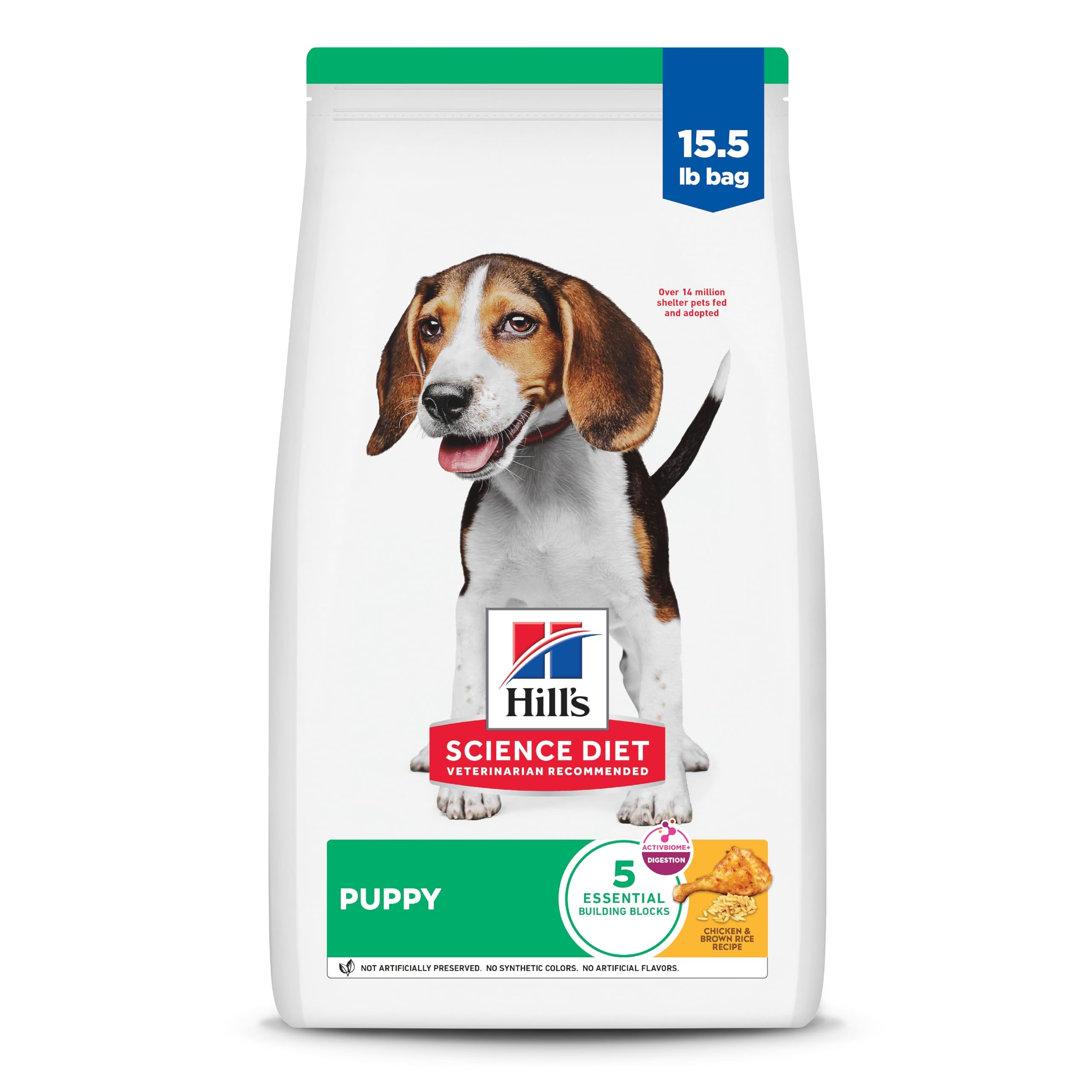
Against Royal Canin Puppy, Pro Plan and Royal Canin are peer competitors at the top of the vet-recommended puppy tier. Royal Canin has more breed-size-specific options; Pro Plan is slightly less expensive and equally well-researched. Against Hill’s Science Diet Puppy, all three brands are strong choices — the specific pick often comes down to your vet’s recommendation and your puppy’s palatability preference.
Frequently asked questions

How much Purina Pro Plan Puppy should I feed per day?

Follow the feeding guide on the bag based on your puppy's expected adult weight and current age. Puppies typically need feeding 3 times daily until 6 months, then 2 times daily. Body condition is more important than the chart — your vet can assess whether your puppy is at ideal weight at checkups. Individual metabolic rates vary significantly.

At what age should I transition my puppy from Pro Plan Puppy to adult food?

Breed size determines timing: small breeds at 10–12 months, medium breeds at 12 months, large breeds at 12–18 months, giant breeds at 18–24 months. Consult your veterinarian for the right transition timing for your specific dog. Pro Plan's website also provides breed-size guidance if you're unsure.

Does Purina Pro Plan Puppy contain DHA?

Yes — Purina Pro Plan Puppy includes DHA from omega-3-rich fish oil specifically to support brain and vision development. The inclusion is backed by Purina's research into DHA's developmental benefits in puppies.

You might also like

Purina Pro Plan Puppy Chicken & Rice