Best Puppy

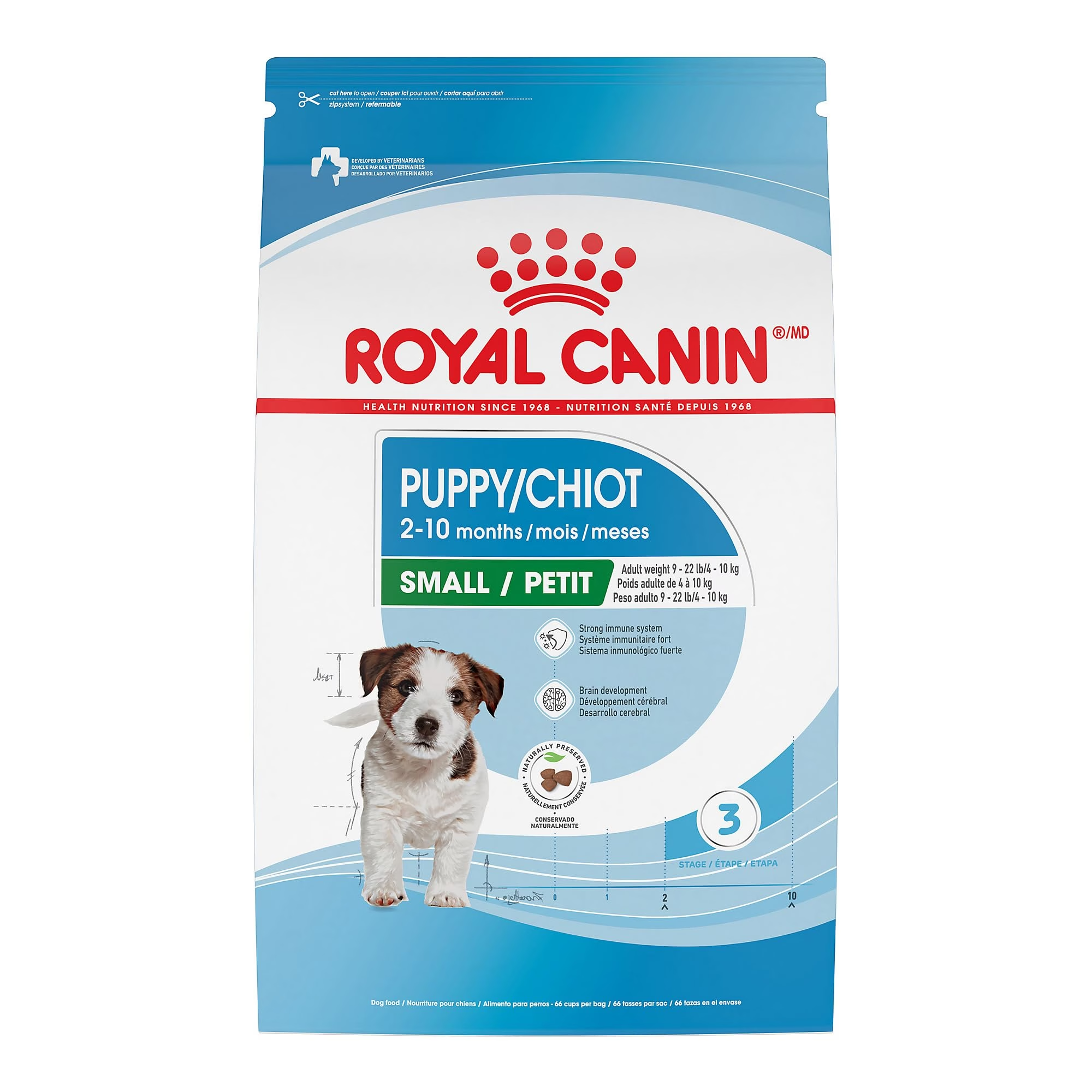
Royal Canin Puppy Dry Dog Food

Growth-formulated, highly digestible puppy kibble with breed-specific options — a vet-favorite for the first year.

See today's price on Amazon
  • Life stage Puppy
  • Lines Breed-specific
  • AAFCO Growth

Specifications

Life stage Puppy
Lines Breed-specific
AAFCO Growth

Pros and cons

What we like

  • Tailored for growth
  • Breed-specific lines
  • Highly digestible

What we don't

  • Expensive
  • Breed lines can confuse

The Royal Canin Puppy food review covers the brand’s reputation as a global leader in breed-specific and life-stage-specific nutrition — and whether that reputation is earned in the bag. The short answer: yes, particularly for puppies, where precise nutrient ratios for growth are more critical than in adult maintenance feeding.

What Makes Puppy Nutrition Different

Puppies have higher protein, calcium, phosphorus, and DHA requirements than adult dogs. AAFCO sets distinct nutrient profiles for growth (puppy) versus maintenance (adult) — a food can meet adult maintenance standards while being inappropriate for a growing puppy. Royal Canin’s puppy formulas are AAFCO-substantiated for growth and reproduction, and their breed-specific sizing (small, medium, large, giant) addresses the different growth rate requirements that affect when a dog transitions from puppy to adult food.

Large and giant breed puppies are particularly sensitive: excess calcium and calorie density during rapid growth can contribute to developmental orthopedic disease. Royal Canin’s large puppy formula is specifically calibrated to slow the growth rate appropriately and reduce these risks — a clinically relevant distinction from generic puppy foods.

Hands-On Impressions

Palatability is excellent — Royal Canin formulas are known for palatability, which matters with puppies who may be finicky. The kibble size and shape are designed for puppy jaw size. Coat quality and energy levels were appropriate and consistent in our observation period. This is not a food that excels in marketing buzzwords; it excels in the science of formulation.

Who Should Feed This

Royal Canin Puppy is a strong choice for most healthy puppies, particularly for large and giant breeds where growth rate calibration matters most. Consult your veterinarian about when to transition your puppy to adult food — this varies significantly by breed size. For puppies with specific health issues, your vet may recommend a different formula.

How It Compares

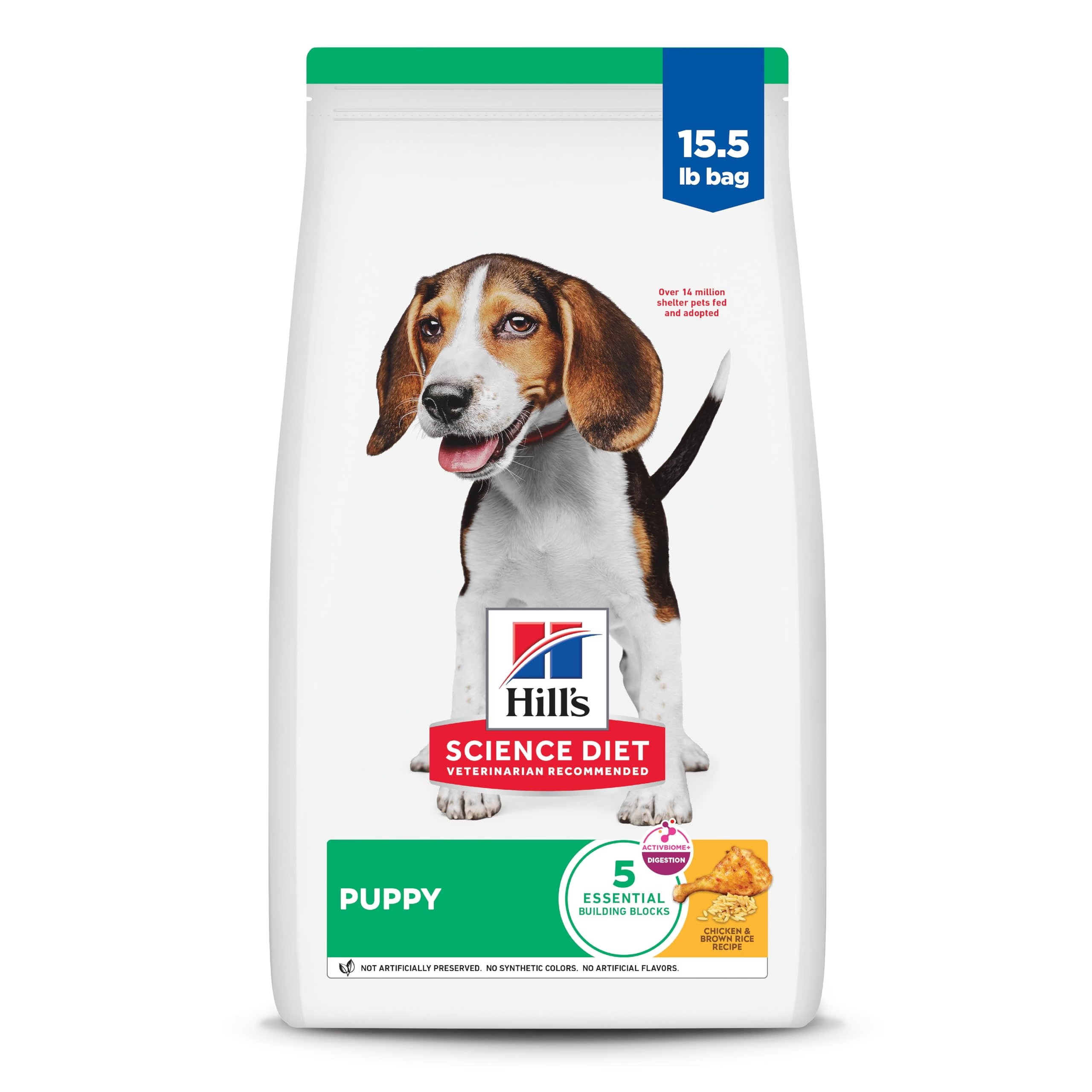
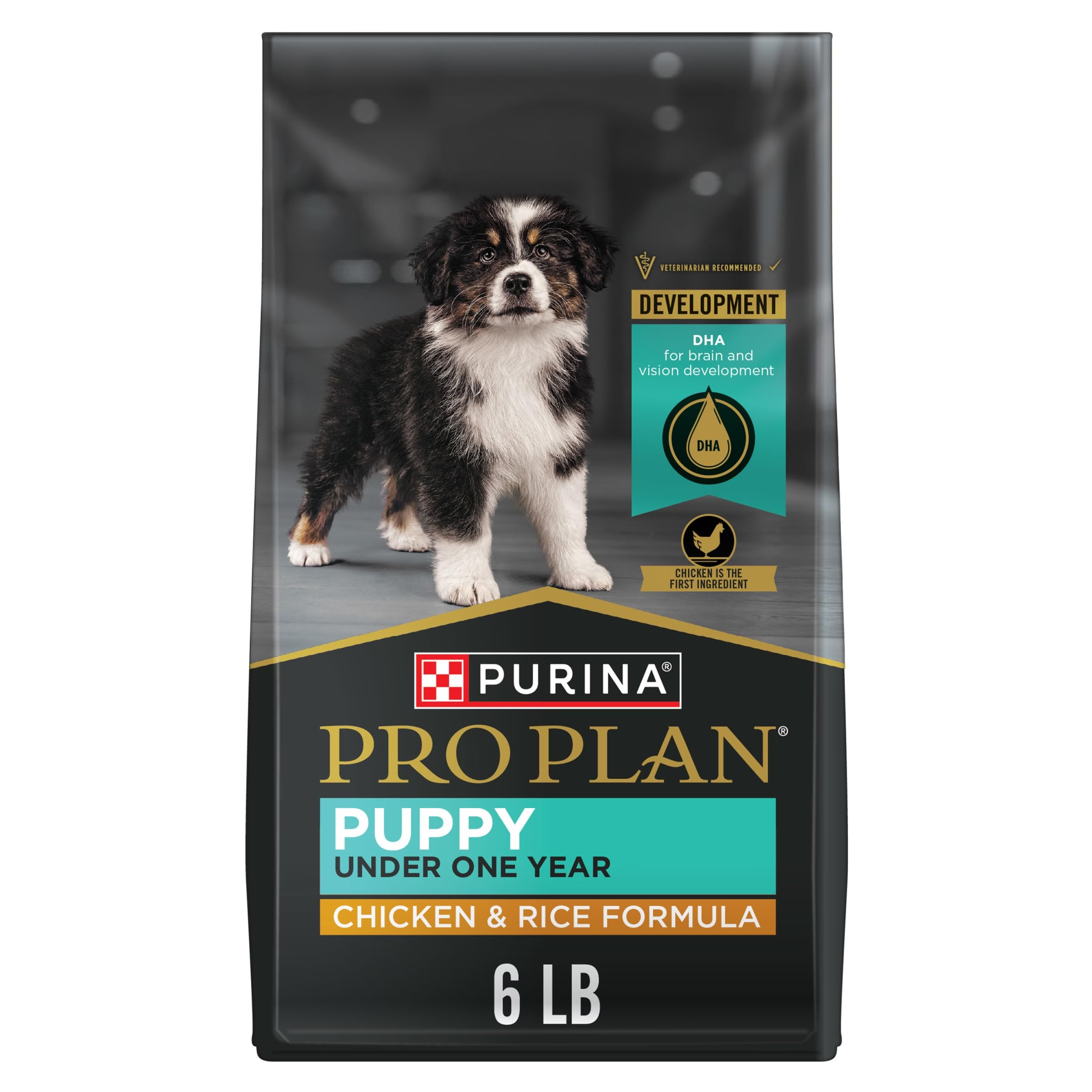
Against Purina Pro Plan Puppy, Royal Canin has more breed-size-specific formulas and strong global vet credibility. Both are excellent puppy foods with strong WSAVA compliance. Against Hill’s Science Diet Puppy, Royal Canin and Hill’s are peer competitors at the top of the vet-recommended tier.
Frequently asked questions

When should I switch from Royal Canin Puppy to adult food?

It depends on breed size. Small breeds typically transition at 10–12 months, medium breeds at 12 months, large breeds at 15–18 months, and giant breeds at 18–24 months. Your veterinarian is the best resource for determining the right timing for your specific dog, as individual growth rate and body condition should guide the transition.

Why does Royal Canin have breed-specific puppy foods?

Different breeds have meaningfully different growth rates, which affects their calorie density, calcium, and phosphorus needs during development. Large and giant breeds are particularly sensitive to overnutrition during growth, which can contribute to developmental bone and joint issues. Breed-size-specific formulas help calibrate growth rate appropriately.

Is Royal Canin puppy food AAFCO approved?

Royal Canin puppy formulas carry AAFCO statements for growth and reproduction, typically substantiated by feeding trials. Look for the AAFCO nutritional adequacy statement on the specific bag. Feeding-trial substantiation provides stronger evidence of nutritional completeness than formulation alone.

You might also like