
The first few ingredients on a dog food label determine most of what you are actually paying for, and protein source is the most important of those ingredients. Understanding the difference between whole meat, meat meal, and by-product meal — and what each actually means — is the foundation of label literacy for dog food.
This is informational content. Consult your veterinarian for specific dietary recommendations for your dog.
Whole meat (e.g., “chicken,” “beef,” “salmon”)
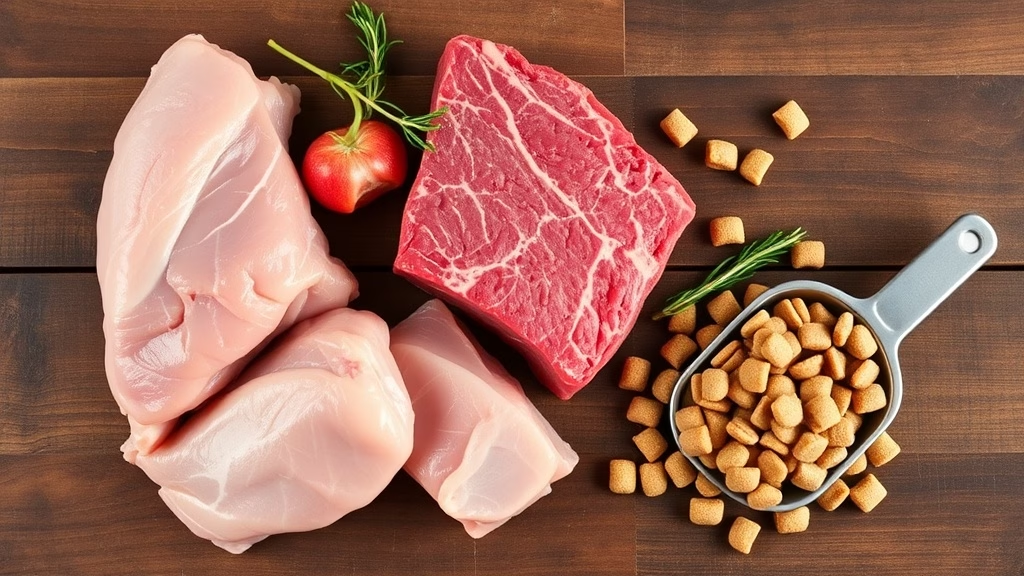
When a label says “chicken” or “beef” as the first ingredient, it means the named species’ muscle meat, with its natural moisture content included. Whole meat is often listed first because it weighs more before processing — but because it is 70–80% water, the actual dry-matter protein contribution of whole meat listed first may be less than a meat meal listed third or fourth.
Whole meat as the first ingredient is a positive quality signal, particularly from named species (chicken, beef, lamb, salmon) rather than generic terms (poultry, meat). However, do not evaluate the first ingredient in isolation — look at the full ingredient list, particularly the first five ingredients where most of the protein content comes from.
Meat meal (e.g., “chicken meal,” “salmon meal”)
Meat meal is a processed, concentrated form of meat: the moisture and fat have been rendered out, leaving a dry powder that is approximately 65–70% protein by weight. This means a meat meal listed lower on an ingredient list may actually contribute more protein per pound of food than whole meat listed first.
Named meat meals (chicken meal, turkey meal, salmon meal, herring meal) are high-quality protein sources. The key is the named species: “chicken meal” specifies exactly what you are getting. Generic “poultry meal” or “meat and bone meal” does not — these can be composed of any combination of species and quality levels, including less desirable parts.
By-product meal (e.g., “chicken by-product meal”)
By-products are the non-muscle-meat parts of slaughtered animals that are not typically sold for human consumption: organs (liver, kidney, lungs, spleen), necks, feet, intestines. The term “by-product” has acquired a negative connotation in pet food marketing, but the nutritional reality is more nuanced.
Organ meat is nutritionally rich — liver in particular is high in vitamin A, B vitamins, iron, and protein, and is a traditional component of whole-prey-based diets. The concern with by-product meal is quality consistency and transparency rather than the ingredients themselves: “by-product meal” does not specify which by-products from which quality level of source material.
Named organ ingredients (e.g., “chicken liver” listed separately) are more transparent than generic “chicken by-product meal” and are a positive quality signal.
What to look for
The best ingredient lists have: named whole meat and/or named meat meal in the first several ingredients, named organ ingredients where present, and no generic terms like “poultry meal,” “meat and bone meal,” or “animal digest.”
See our dog food reviews for specific products evaluated on these criteria, or our dog food label guide for a full walkthrough of every section of a label.