
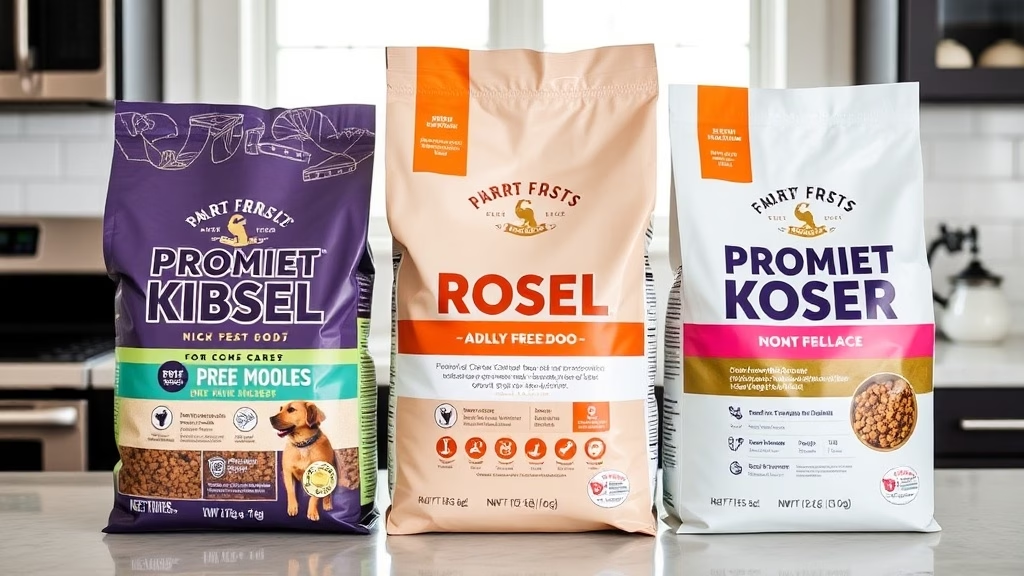
Purina Pro Plan, Blue Buffalo, and Royal Canin are three of the most recognized dog food brands in the US, and each takes a genuinely different approach to formulation. None is universally “best” — they’re built around different philosophies, and the right one depends on what you’re optimizing for.
This is a general comparison of brand positioning and philosophy, not a review of any single product line — each brand offers dozens of formulas that vary by life stage, breed size, and health need. For our tested picks, see our best dry dog food guide.
Purina Pro Plan: Research-Backed, Widely Available
Pro Plan is Purina’s veterinarian-recommended tier, sitting above their mass-market lines. Its main strength is the research and quality-control infrastructure behind it — Purina operates its own nutrition research facilities and has decades of feeding trials backing its formulas, which is more institutional backing than most competitors can claim.
Pro Plan formulas tend to list corn, wheat, or rice as carbohydrate sources rather than going grain-free by default, which some owners see as a drawback and others see as an advantage given the ongoing grain-free/DCM questions — Pro Plan’s grain-inclusive formulas sidestep that particular debate entirely. It’s also one of the more affordable veterinary-tier brands, and specialized formulas (like their sensitive skin & stomach line) are widely available even outside specialty pet stores.
Blue Buffalo: Marketing-Forward, Ingredient-Focused
Blue Buffalo built its brand around visible, named ingredients (real meat first, garden vegetables, no corn/wheat/soy in most lines) and has historically marketed itself in contrast to “mass-market” brands like Purina and Pedigree. Its formulas are more likely to include novel proteins and grain-free options across its product range.
The brand has drawn some scrutiny over the years for marketing claims versus a smaller research and testing infrastructure compared to Purina or Royal Canin, and it doesn’t have the same depth of veterinary-nutritionist-led formulation history. That doesn’t mean the food is poor quality — it means the brand’s credibility rests more on ingredient transparency than on institutional research credentials.
Royal Canin: Breed and Condition-Specific Precision
Royal Canin’s defining feature is extreme specificity — formulas tailored to individual breeds (a German Shepherd formula, a Poodle formula, a French Bulldog formula, each with different kibble shapes designed for that breed’s jaw structure) and to specific veterinary conditions (urinary, renal, gastrointestinal), many of which require a prescription from your vet.
This precision comes from genuine veterinary nutritionist involvement and is particularly valuable for dogs with diagnosed health conditions where a therapeutic diet is part of treatment. For a healthy dog with no specific breed-related or medical need, the extreme specificity is less of an advantage — a general life-stage formula from any reputable brand covers most healthy dogs’ needs. Royal Canin also tends to run at a higher price point, particularly for the prescription lines.
Head-to-Head Summary
| Factor | Purina Pro Plan | Blue Buffalo | Royal Canin |
|---|---|---|---|
| Strength | Research infrastructure, feeding trials | Ingredient transparency, marketing | Breed/condition-specific precision |
| Grain-free options | Limited — mostly grain-inclusive | Widely available | Available, less emphasized |
| Best for | General value + vet-backed formulas | Owners prioritizing ingredient lists | Specific breeds or diagnosed conditions |
| Price | Mid-range | Mid-to-high | Higher, especially prescription lines |
Which Should You Choose?
- Purina Pro Plan if you want research-backed formulation at a reasonable price and aren’t specifically seeking grain-free.
- Blue Buffalo if ingredient list transparency and named, recognizable ingredients matter most to your decision.
- Royal Canin if your dog has a specific breed-related need or a veterinarian has recommended a condition-specific formula — this is where Royal Canin’s precision genuinely pays off.
Whichever you choose, verify the specific formula meets your dog’s life stage needs using AAFCO statements — see our AAFCO explainer for what to check regardless of brand.