
Knowing how to switch dog food gradually is one of the simplest ways to protect your dog from an upset stomach. Whether you’re upgrading to a higher-quality kibble, moving from puppy to adult formula, or your usual bag was discontinued, the way you make the change matters as much as the food itself. A dog’s digestive system relies on a stable population of gut bacteria, and those microbes need time to adjust to new ingredients and nutrient ratios.
Swap everything at once and you risk the classic signs of GI upset: loose stools, gas, vomiting, or a dog who suddenly turns up its nose at the bowl. A slow, measured transition gives the gut time to adapt, keeps mealtimes pleasant, and helps you spot any sensitivity before it becomes a real problem. This guide walks you through a proven plan, what to watch for, and when a faster switch makes sense.
Why a Gradual Transition Matters
When you change diets abruptly, the bacteria that help digest the old food can’t keep pace with the new formula. The result is often digestive distress. Different proteins, fat levels, and fiber content all require slightly different enzymes and microbial balance. Easing the new food in over several days lets that balance shift comfortably.
A gradual approach also lets you isolate problems. If your dog reacts poorly on day five, you’ll know the new food is the likely culprit rather than guessing among a dozen variables. According to the American Veterinary Medical Association, choosing and introducing food thoughtfully supports your dog’s long-term health. Patience here pays off in fewer messes and a happier dog.
The Proven 7-Day Plan
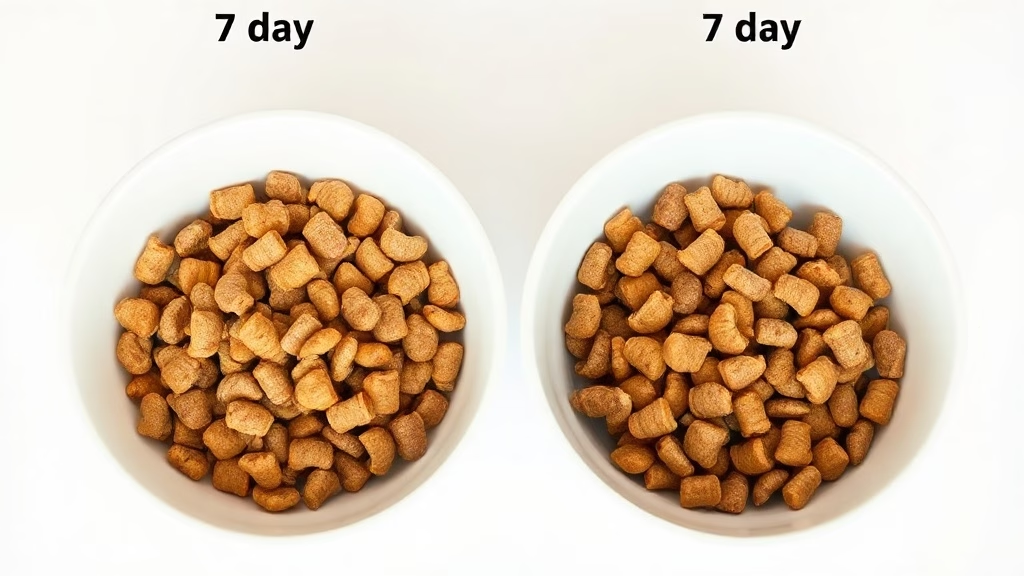
For most healthy adult dogs, a one-week transition is the sweet spot. Each step increases the proportion of new food while decreasing the old, so the change is barely perceptible to your dog’s gut. Measure by your dog’s normal daily portion and split it across your usual meals.
| Days | Old Food | New Food |
|---|---|---|
| Days 1-2 | 75% | 25% |
| Days 3-4 | 50% | 50% |
| Days 5-6 | 25% | 75% |
| Day 7 | 0% | 100% |
By day seven, your dog should be eating the new food exclusively. If everything has gone smoothly, you’re done. If you’ve noticed any hiccups along the way, simply hold at the current ratio for an extra day or two before advancing.
A Step-by-Step Walkthrough
Start by measuring your dog’s total daily food using the guidelines on the bag, or see our guide on how much kibble to feed for portion help. On days one and two, fill three-quarters of that amount with the current food and one-quarter with the new. Mix the two kibbles together in the bowl rather than serving them in separate piles, so your dog can’t simply pick out the familiar pieces.
On days three and four, shift to a 50/50 blend. This is the stage where most sensitivities, if any, will show up, so pay close attention to stool quality and appetite. Days five and six move to three-quarters new food, and by day seven your dog eats only the new diet. Keep portions consistent at each step and resist the urge to rush ahead, even if your dog seems thrilled with the new flavor.
Go Slower for Sensitive Dogs
Some dogs have notoriously delicate digestion. Puppies, seniors, dogs with a history of GI issues, and breeds prone to sensitive stomachs often do better on a 10-to-14-day transition. To stretch the timeline, simply spend three or four days at each ratio instead of two.
If you’re transitioning an older dog, our roundup of the best senior dog food can help you pick a gentle, age-appropriate formula. The slower you go, the lower the chance of an unhappy gut, so when in doubt, err on the side of more days. There’s no prize for finishing fast, and a careful switch is always easier than cleaning up after a rushed one.
Signs of Trouble
Keep an eye on your dog throughout the transition. Mild, brief softening of the stool can be normal, but the following signs mean you should slow down or pause:
- Vomiting — especially repeated episodes
- Diarrhea — watery, frequent, or lasting more than a day
- Refusing to eat — skipping meals or backing away from the bowl
- Lethargy or obvious discomfort — bloating, whining, or restlessness
If you see these, return to the previous ratio that your dog tolerated well and hold there for a few extra days before trying to advance again. If symptoms are severe, persistent, or paired with signs of pain, stop the transition and call your veterinarian. This article is informational and isn’t a substitute for veterinary advice, particularly for a dog with a known sensitive stomach.
When a Faster or Vet-Directed Switch Is Needed
Occasionally a gradual switch isn’t possible. If a food has been recalled, you’ve run out unexpectedly, or your vet has prescribed a therapeutic diet for a medical reason, you may need to change more quickly. In those cases, follow your veterinarian’s specific instructions rather than this general plan.
Some prescription diets are designed to be introduced rapidly, and your vet may recommend supportive measures like a temporary bland diet or a probiotic. The key is that a faster switch should be a deliberate, guided decision, not a shortcut taken out of impatience. When health is on the line, your vet’s direction always comes first.
Tips for a Smooth Switch
A few small habits make the whole process easier on your dog:
- Keep meal times consistent. Feed at the same hours you always have so the only variable changing is the food itself.
- Always provide fresh water. Good hydration supports digestion and helps your dog adjust comfortably.
- Watch the stool. Firm, well-formed stools are your green light to move to the next stage; loose stools say wait.
- Choose a quality destination food. A well-formulated kibble like Purina Pro Plan dry gives your dog a consistent, complete diet to settle into.
For more on selecting a great everyday formula, browse our pillar guide to the best dry dog food.
Frequently Asked Questions
Can I switch my dog’s food cold turkey?
It’s best not to. Some dogs handle an abrupt switch fine, but many develop diarrhea, gas, or vomiting. Unless your vet directs otherwise, a gradual transition is far gentler on the digestive system and saves you from cleanup and worry.
How long should switching dog food take?
About seven days for most healthy adult dogs. Sensitive dogs, puppies, and seniors often benefit from a 10-to-14-day timeline. There’s no harm in going slower, so let your dog’s stool and appetite set the pace.
How do I switch a puppy to adult food?
Use the same 7-day plan once your puppy reaches the right age for its breed size, generally around 12 months for small and medium breeds and later for large breeds. Confirm the timing with your vet, then transition gradually just as you would any other change. Our puppy feeding schedule covers the timing.
What if my dog won’t eat the new food?
Try a slower introduction with a smaller proportion of new food, and make sure the two kibbles are mixed together. Warming the food slightly or adding a splash of warm water can boost aroma. If your dog continues to refuse meals for more than a day, check in with your vet.
Conclusion
Learning how to switch dog food the right way comes down to patience and observation. Move in small steps over about a week, slow down for sensitive dogs, and keep an eye on appetite and stool quality as you go. If anything seems off, pause, hold steady, and don’t hesitate to call your vet, especially if your dog has a history of GI issues. With a calm, gradual approach, your dog can enjoy its new diet without the drama of an upset stomach.