
Dry kibble is designed to be shelf-stable, but it does go stale, rancid, and in some cases, it can harbor mold if stored incorrectly. Most dog owners either store it correctly without thinking about it or make a few specific mistakes that shorten the food’s quality life significantly. Here is what actually happens to kibble over time and how to preserve it properly.
If you suspect your dog’s food has spoiled — off smell, visible mold, unusual texture — discard it and consult your veterinarian if your dog shows signs of illness.
Why kibble goes bad
Dry kibble has two main failure modes: fat rancidity and moisture intrusion leading to mold.
Fat rancidity occurs when the fats in kibble oxidize on exposure to air. Most kibble contains 10–20% fat (a primary energy source), and those fats are vulnerable to oxidative degradation. You may not smell rancid fat immediately — rancidity develops gradually, and dogs (whose olfactory systems are vastly more sensitive than ours) often refuse rancid food before we notice anything wrong. Rancid fat is unpalatable and may contribute to digestive upset; chronically rancid fat consumption is associated with vitamin E depletion.
Moisture intrusion occurs when kibble is stored in humid environments, transferred to containers that are not fully dry, or exposed to temperature fluctuations that cause condensation. Mold growth requires only 14–17% moisture content in the food — which is not far above the ~10% moisture of most dry kibble. A visibly moldy bag of kibble should be discarded immediately; mycotoxins produced by some molds are harmful to dogs.
The bag is the best container
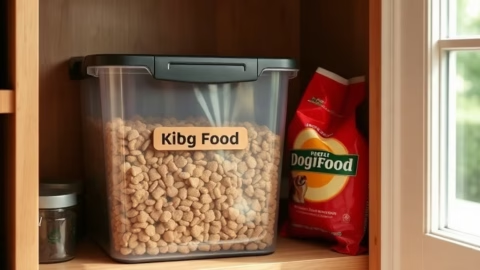
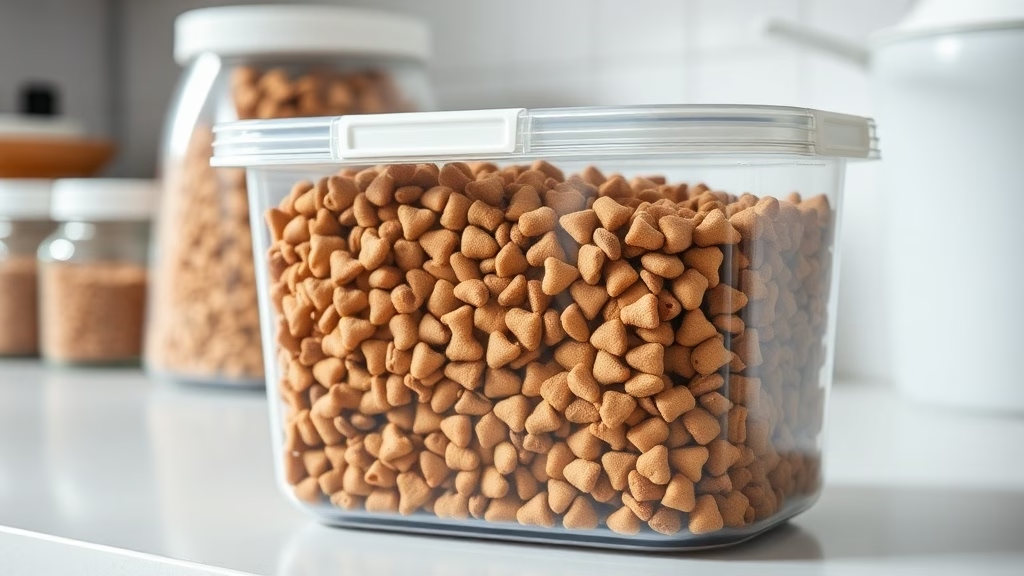
Multi-layer dog food bags are specifically designed to block oxygen, moisture, and light. They are better at this job than most storage containers, including airtight bins. The best storage practice is to keep kibble in its original bag, folded and clipped closed, stored inside a clean airtight container. This gives you both the bag’s barrier properties and the container’s additional protection.
Pouring kibble directly into a plastic storage bin — particularly an opaque plastic one that may harbor bacteria in micro-scratches — and discarding the bag is the most common storage mistake. Plastic bins can also contribute off-flavors over time, particularly in warm environments.
Temperature and location
Store kibble in a cool, dry location away from direct sunlight and heat sources. Kitchen cabinets near the stove or oven run warmer than ideal. A pantry, closet, or garage (in temperate climates) works well. Avoid garages in hot climates where summer temperatures can accelerate fat oxidation significantly.
Do not refrigerate dry kibble — the humidity of most refrigerators creates more moisture problems than it prevents. Refrigeration is appropriate for wet food once opened, not dry food.
How long does kibble last?
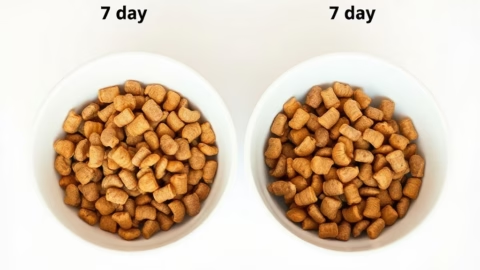
An unopened bag of kibble is typically good for 12–18 months from the manufacturing date. Once opened, most manufacturers recommend using within 6 weeks — and with proper storage in the original bag inside an airtight container, quality is preserved for that window.
Bags larger than your dog can consume in 6 weeks are a false economy if the food goes stale before it is finished. Smaller bags purchased more frequently may cost slightly more per pound but maintain quality better for single-dog households.
See our dog food reviews for our top kibble picks across every dietary need.