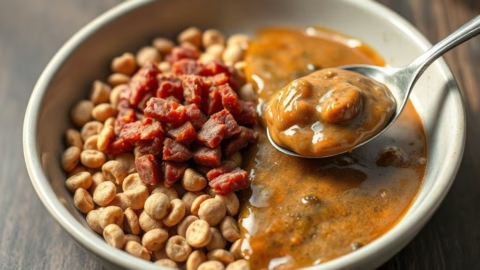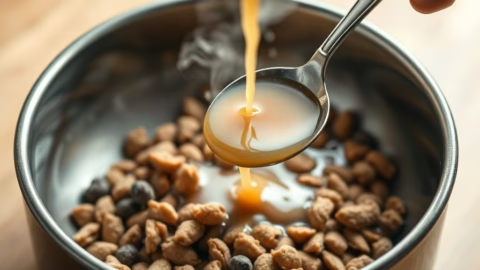

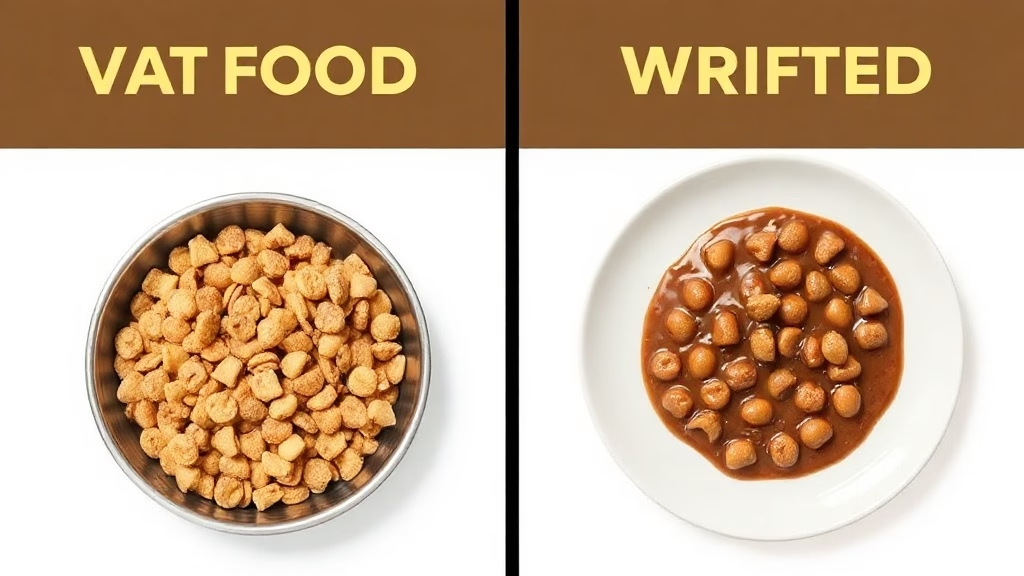
The kibble vs wet food debate comes up at almost every food aisle, and the honest answer is less dramatic than most marketing suggests. Both formats can fully nourish your dog when they meet the same nutritional standard. The real differences are practical ones: cost, moisture, convenience, dental impact, and how eagerly your dog digs in. Rather than crown a winner, this guide walks through the genuine give-and-take. We are not veterinarians, so treat this as informational, not medical advice, and loop in your vet for any health-specific decisions.
The quick answer
Both kibble and wet food can be labeled complete and balanced under AAFCO guidelines, meaning either can serve as your dog’s sole diet. Kibble tends to be more convenient, cheaper per calorie, easier to portion, and a bit friendlier to teeth. Wet food is usually more palatable, more hydrating, and easier to chew, but it costs more and spoils quickly once opened.
So the choice is rarely about nutrition alone. It is about your budget, your dog’s preferences, their age and dental health, and how much daily fuss you want around mealtime. Many owners land somewhere in the middle, which we will cover below.
Kibble vs wet food: side-by-side comparison
Here is a plain-language snapshot of how the two formats stack up across the factors owners ask about most. Use it as a starting point, not a verdict.
| Factor | Kibble (dry) | Wet (canned) |
|---|---|---|
| Cost per calorie | Generally lower | Generally higher |
| Convenience | Easy to store, scoop, and travel with | Heavier, needs refrigeration once opened |
| Hydration / moisture | Around 10% moisture | Often 70%+ moisture |
| Palatability | Good, but less aromatic | Often higher; strong aroma and texture |
| Dental impact | Slight mechanical benefit for some dogs | Little to no abrasive effect |
| Shelf life | Long when sealed and dry | Long sealed; spoils fast once opened |
6 honest trade-offs
1. Cost adds up faster with wet food
Because canned food is mostly water, you pay for more packaging and weight to deliver the same calories. For a large dog fed wet food exclusively, the monthly cost can climb quickly. Kibble usually stretches further per dollar, which matters if you are feeding multiple dogs or a big breed. This is one reason many owners reserve wet food for a topper rather than the whole bowl.
2. Wet food wins on hydration
Dry food contains roughly 10% moisture, while canned food often runs above 70%. For dogs who drink little water, or those whose vet has flagged hydration concerns, that extra moisture can be genuinely helpful. Kibble eaters can compensate by always having fresh water available, but the food itself does little to top up fluids.
3. Kibble is easier to portion and store
A scoop of kibble is simple to measure, which helps with weight management and consistent feeding. An opened can, by contrast, needs refrigeration and should be used within a couple of days. If your routine is busy or you travel with your dog, dry food’s shelf-stability is a real, everyday advantage.
4. Wet food tends to be more palatable
The aroma, softness, and higher fat content of canned food often make it more tempting, especially for fussy eaters. If your dog turns up their nose at the bowl, wet food, or a spoonful of it on top, can reignite interest. Picky eating has many causes, though, so persistent refusal is worth a vet conversation.
5. Texture matters for seniors and small mouths
Dogs with dental disease, missing teeth, or jaw discomfort may struggle with hard kibble. Soft wet food is gentler to chew and swallow, which is why it frequently appears in senior dog diets. Some owners soften kibble with warm water instead, achieving a similar texture at lower cost.
6. Kibble may help teeth, but only modestly
There is a common belief that crunching kibble scrubs teeth clean. The mechanical effect is real but limited; standard kibble shatters rather than scrapes along the gumline. It is no substitute for brushing or vet-recommended dental care. Wet food offers essentially no abrasive benefit, so dental-prone dogs need a deliberate oral-care routine regardless of format.
Mixed feeding: using wet food as a topper
You do not have to pick a single side. Mixed feeding, a base of quality dry food with a portion of wet stirred in, captures several benefits at once: kibble’s affordability and portioning alongside wet food’s moisture and palatability. The key is to count the combined calories so your dog does not gain weight from the richer topping.
If you want to keep costs in check while still boosting appeal, a small, nutrient-dense topper is a tidy middle path. Our guide to the best dog food toppers walks through options, and the gently sourced Open Farm topper is a popular pick for owners who want a simple add-on without overhauling the whole bowl.
Which should you choose?
Start with your dog, not the label. A young, healthy dog with a hearty appetite and a tight household budget may do beautifully on a complete kibble. A senior with worn teeth, a picky eater, or a dog who barely sips water might thrive with wet food or a mixed bowl. Activity level, breed size, and any existing conditions all shift the calculus.
Whatever you choose, confirm the package states it is complete and balanced for your dog’s life stage, transition between foods gradually over about a week, and check in with your veterinarian, who knows your dog’s full history. For background reading on how these foods are formulated, the Association of American Feed Control Officials publishes the standards manufacturers follow.
Frequently asked questions
Is wet food better than dry food?
Not inherently. Both can be complete and balanced, so neither is universally better. Wet food edges ahead on moisture and palatability, while dry food leads on cost and convenience. The better choice depends on your individual dog’s needs and your routine.
Can I mix wet and dry food?
Yes, mixing is common and perfectly fine for most healthy dogs. Just account for the total calories so the combination does not lead to overfeeding. Introduce any new food gradually to avoid stomach upset, and ask your vet if your dog has special dietary needs.
Is wet food good for picky or senior dogs?
Often, yes. Its aroma and soft texture appeal to fussy eaters and are easier on aging mouths or sensitive teeth. That said, sudden picky behavior can signal a health issue, so check with your veterinarian if your dog’s appetite changes noticeably.
Does kibble actually clean my dog’s teeth?
Only a little. Some kibble provides mild mechanical scrubbing, but most pieces crumble rather than clean along the gumline. It does not replace brushing or professional dental care. Plan a real oral-hygiene routine no matter which food format you feed.
The bottom line
The kibble vs wet food question has no single right answer, only trade-offs you can weigh for your own dog. Kibble offers affordability, easy storage, and simple portioning; wet food brings moisture, palatability, and chewability for those who need it. Mixed feeding lets you borrow strengths from both, with a topper as an easy entry point. Match the format to your dog’s age, health, and preferences, keep your vet in the loop, and you can feel confident about whatever lands in the bowl.