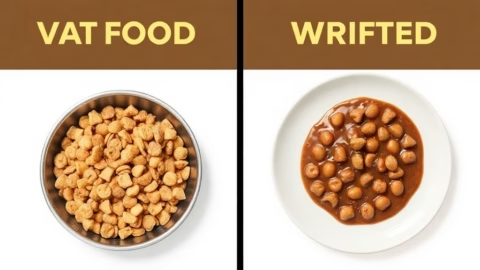

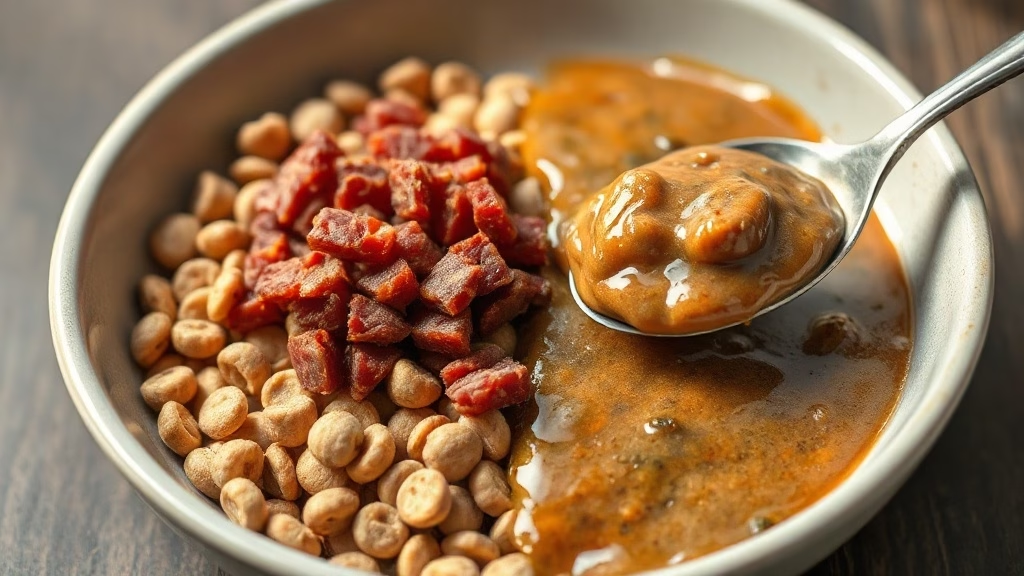
Freeze-dried raw and wet food are the two most common categories of dog food topper, and they work through genuinely different mechanisms — one adds concentrated protein and aroma, the other adds moisture and volume. Which one makes sense depends on what problem you’re actually trying to solve.
For the broader topper category, including simpler options like broth and pumpkin, see our picky eater topper guide. This article focuses on the comparison between these two specific, more substantial topper types.
Freeze-Dried Raw Toppers
Made by freezing raw meat (and sometimes organ, bone, or produce) and then removing moisture through a vacuum process, freeze-dried raw retains most of its nutritional profile close to the original raw ingredient while removing the water that would otherwise support bacterial growth — making it shelf-stable without refrigeration until rehydrated or used as-is.
Advantages: highly concentrated aroma and flavor, since almost nothing is diluted or cooked out; long shelf life once opened compared to wet food; a small amount goes a long way (usually a spoonful of crumbles or a single medallion per meal), so a bag lasts many servings; no refrigeration required for unopened product.
Downsides: more expensive per ounce than wet food by a significant margin, given the processing involved; because it’s raw (even after freeze-drying, no cooking step occurs), it carries the same food-safety handling considerations as any raw pet food — wash hands and surfaces after handling, and be cautious in households with immunocompromised members.
Wet Food Toppers
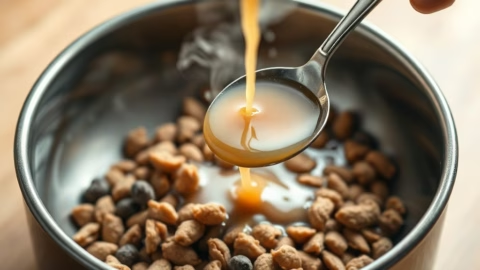
Canned or pouched wet food, added in a spoonful on top of kibble, changes both moisture and texture significantly — this is the more dramatic transformation of the meal compared to freeze-dried raw’s more subtle aroma boost. See our kibble vs wet food comparison for the full nutritional trade-offs of wet food generally.
Advantages: lower cost per use than freeze-dried raw; widely available in every pet store; the moisture content itself has a value for dogs that don’t drink enough water independently; cooked (not raw), so no raw-handling considerations.
Downsides: higher calorie density per topping amount than a freeze-dried sprinkle, so portion adjustment to your kibble matters more (see our portion chart); opened cans need refrigeration and generally must be used within a few days; some dogs habituate to wet food toppers quickly and become more resistant to plain kibble as a result, similar to the general topper-habit risk discussed in our picky eater guide.
Nutritional Comparison
Both, used in modest topper quantities (a spoonful, not a full meal replacement), function primarily as flavor and texture enhancers rather than significant nutritional contributors — the base kibble remains the primary source of complete, balanced nutrition in either case. Freeze-dried raw has a nutritional edge in protein concentration per gram, but at typical topper serving sizes, this difference is small relative to your dog’s total daily intake from the base food.
Cost Comparison
Freeze-dried raw toppers usually cost more per serving than wet food. A bag of freeze-dried topper provides many servings, while each can of wet topper provides several topper-sized servings if you’re using a spoonful rather than the whole can, working out to a lower per-serving cost in most cases — though this depends heavily on can size and how much you use per serving.
Which Should You Choose?
- Choose freeze-dried raw if cost per serving matters less than convenience and shelf stability, or if you specifically want a raw-food component without committing to a full raw diet.
- Choose wet food if your dog needs more moisture in their diet (common advice for dogs prone to urinary issues, though follow your vet’s specific guidance if that applies), or if cost per serving is the priority.
- Either works for the basic picky-eater problem — the choice mostly comes down to budget, storage convenience, and whether raw-food handling is something you’re comfortable with.
See our tested topper picks across both categories.