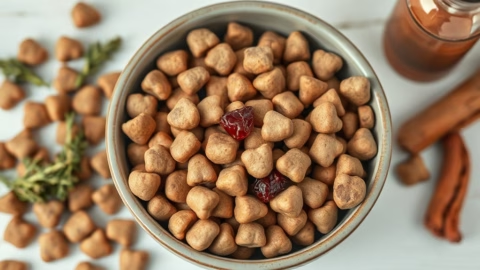


A dog with a sensitive stomach is not always a dog with a diagnosed medical condition. Many dogs experience occasional loose stools, gas, or vomiting that improves significantly with a dietary change — specifically, switching to a simpler, more easily digestible formula with fewer ingredients. Here is how to evaluate dog food for sensitive stomachs and when to see a vet instead.
Persistent or severe digestive symptoms in dogs require veterinary evaluation. This guide covers everyday dietary sensitivity, not acute illness, obstruction, or conditions like inflammatory bowel disease that require diagnosis and treatment.
When it is diet vs. when it is a medical issue
Diet-related digestive sensitivity typically presents as intermittent loose stools, gas, or occasional vomiting that correlates with what the dog is eating. It may improve when you switch foods, improve when you feed smaller meals more frequently, or worsen when you introduce new treats or table scraps.
Signs that warrant veterinary evaluation rather than a food switch: blood in stool, significant weight loss, vomiting multiple times per day, prolonged diarrhea (more than 48 hours), extreme lethargy, or a sudden change in an otherwise stable dog. These may indicate conditions that food alone will not address.
What to look for in a sensitive-stomach food
Limited ingredients. Fewer ingredients mean fewer potential triggers. A limited ingredient diet (LID) with a single protein source and minimal carbohydrate sources makes it easier to identify what a dog is reacting to.
Novel protein. If a dog has been eating chicken-based food its whole life and develops sensitivity, the sensitivity may be to chicken specifically. A novel protein — one the dog has not been exposed to before, such as duck, venison, or rabbit — reduces the likelihood of an immune-mediated reaction to the protein source.
Highly digestible carbohydrates. Rice and sweet potato are the most commonly used digestible carbohydrate sources in sensitive-stomach formulas. Both are easy to digest and unlikely to cause fermentation-related gas.
No common additives that cause sensitivity. Artificial colors, flavors, and certain preservatives (BHA, BHT, ethoxyquin) are not definitively proven to cause digestive issues, but sensitive dogs often improve on diets that exclude them. Foods preserved with natural alternatives (vitamin E / tocopherols, rosemary) are worth trying.
Transition slowly
Even a better food can cause temporary digestive upset if introduced too quickly. Transition over 7–10 days: start at 75% old food / 25% new, then 50/50, then 25/75, then 100% new. This gives the gut microbiome time to adjust to the new ingredients.
See our dog food reviews for specific sensitive-stomach formula recommendations, or our switching dog food guide for the full transition process.